Hi Friends~
Does this sound familiar?
“I’m 52, I have the biological age of 26.9. Here are the things I do every day.”
She lists her routine: the logical, sensible practices of getting enough sunlight, water, strength training … then the viewer is primed for the sales pitch: “fill in the blank” for the one supplement she’d “never give up”.
Sound convincing…? Influencers have been targeting women, fueling and enriching the “age defying” industry since the dawn of social media. First it was filters. Now it’s AI.
How AI does it:
- A woman is transformed into a different person post divorce, looking decades younger and thinner, and has achieved “post divorce glow”. Her secret is a beauty device available through the link in her bio. Her most watched video, using the hashtags #divorce, #glowup and #transformation, has been viewed 3.2m times. She is fake.
- Fake “doctors” are offering “educated” advice, using menopause hashtags attracting followers looking for relief from age-related aches and pains, and symptoms of perimenopause – sometimes actually creating a problem when there isn’t one – normal life stress or tiredness becomes a medical condition that the influencer can solve.
- A “menopause specialist” in scrubs advises women about how to beat fatigue with a menopause guide, selling supplements for “cellular energy”, and to balance hormones – which is impossible, since they fluctuate continually. Natural hormone levels change all the time. Daily rhythms, monthly cycles, and life stages cause constant shifts. In actual endocrine medicine the aim is healthy hormonal patterns, but it can be hard to convince a woman in her mid-forties struggling with sweating, brain fog, and anxiety to speak with a qualified doctor instead of simply being seduced by that supplement.
The multi-billion dollar beauty industry has done a great job of brainwashing women. Women consume AI content at an alarmingly high rate, with promises of miraculous recoveries, dramatic makeovers, and easy remedies for personal trauma.
Lies sell because they offer simple answers to complex problems, leveraging human desire and fear to trigger emotional reactions.
Now it’s become very concerning that the proliferation of sophisticated AI influencers is garnering a much larger audience than actual real-live experts, coaches and trainers. AI influencers offer constant availability, polished perfection, and quick fixes, many which might lead to serious negative health outcomes.
“58% of U.S. consumers now follow at least one virtual influencer (Influencer Marketing Hub, February 2026). There are real humans behind these AI accounts – marketing companies, individual digital content creators, brands, reinforcing the message that growing older is a problem that needs fixing.” (Credit to a much admired trainer colleague in the UK, Jacqueline Hooton: Jacqueline Hooton, @Hergardengym)
Empowering women to be strong mentally and physically is my profession and my passion. But it’s become more of a challenge, hearing women (including younger women) espousing misinformation influenced by marketers of supplements, treatments, procedures, and programs using AI and unethical marketing tactics.
Ability to spot AI declines with age: National surveys on aging show that ability in spotting fake AI-generated information drops as people grow older, with about half of adults over 50 feeling unconfident in their ability to spot AI.
Then when fake media saturates your social media feed (men or women at any age), you might begin to doubt authentic evidence and real events.
So when you do find great coaches and trainers, and when you know they’re real people, please follow them, tag, and share their content, and hire them. Working with a real, human coach is the most effective way to achieve lasting strength and fitness.
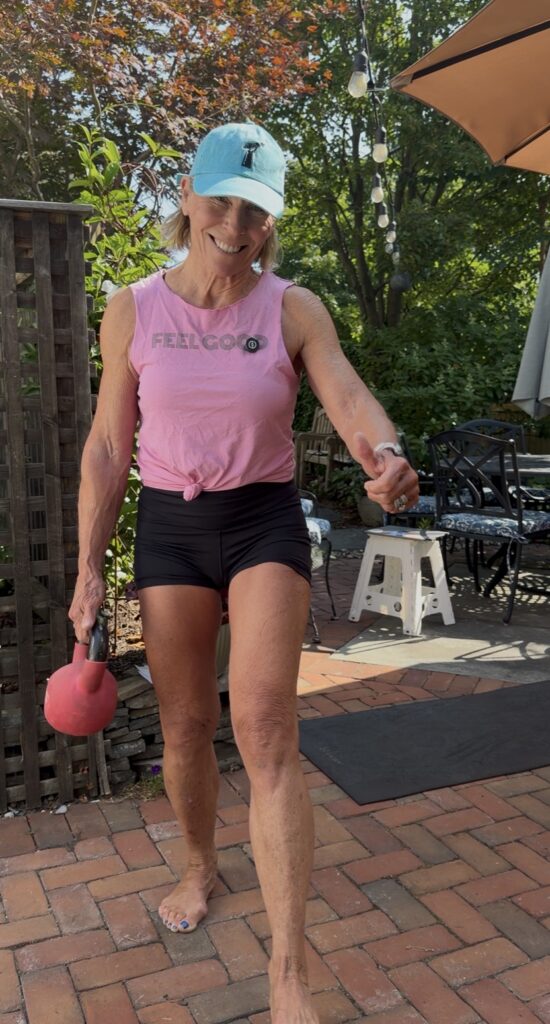
Are you able to spot AI influencers?
Let’s talk about it.
x
Polli