
I started this newsletter five years ago as a weekly discipline ( I need it), and as a journal (which I also need). it continues as a place where I (mostly) regularly document real-life observations on women’s issues, strength, health, community, and active aging. I’m a mom of six married kids, grandmother of fifteen, coach, athlete, and an advocate for kindness, who sometimes gets pissed off.
I’m so happy you’re here. Welcome to Thoughtbox.
Hi Friends~
It’s been a while…
I haven’t had the emotional bandwidth to follow every headline on the Cornell 7 case, but as details surface, I’m having flashbacks to my own girlhood, teens, and twenties living through the 1950s, 60s, and 70s.
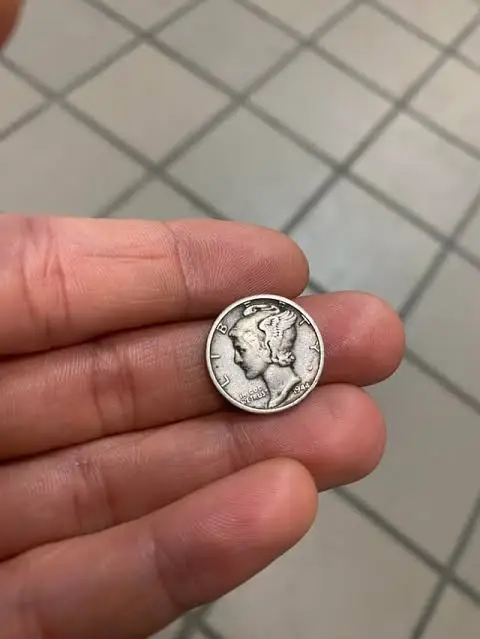
My mother told me to always carry a dime so I could call someone from a payphone to help me “get away.” I was in my early teens, and had only vague ideas of what I was supposed to be escaping from, but the message landed. Mom had five more kids after me, and in conversations and comments she made it clear that repeated pregnancies were not her plan: the “church” wouldn’t let her use birth control, in marriage she had no choice, and she told me sad stories about girls being sent away to convents in secret to surrender their babies. I know that she wanted me to stay safe.
Even now, decades later, recalling situations in college, I catch myself thinking: I chose to be at that stupid frat party. Thankfully on that night I somehow managed to gather my things and walk back to the dorm in the dark, freezing cold in the snow.
Over those years I heard pathetic excuses like “blue balls”, and other ridiculous coercion and insults. I was just f-ing lucky that I managed to get back to my college residence each time.
This might seem like a strange segue but stay with me…
During a recent discussion about my advocacy Asbury Park Complete Streets Coalition, as we discussed streets as public space for all users, someone chimed in: “…what about those bike riders in the middle of the road, and people walking into the street without looking?”

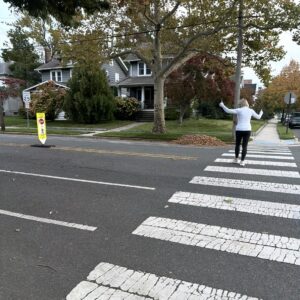
I was stunned. The entire premise of mobility equity relies on the hierarchy of responsibility: the greatest duty of care belongs to the operator of the heavier, faster, potentially lethal road user. Roads are public space, and safe access should be ensured for everyone.
I took a breath and responded: “That’s the same logic used to blame a woman attacked at night because she went to a party, wore a short skirt, or had a few too many drinks.”
In both street design and sexual assault, our culture places the burden of survival on the most vulnerable.
We blame the person walking or riding a bike while excusing the reckless power of the driver operating a multi-ton vehicle. Drivers avoid penalties in traffic violence by blaming the victim with excuses like, “she came out of nowhere, or, “she was wearing dark clothing”. Men are exonerated in SA cases rationalizing predatory behavior because the woman was “asking for it” by her behavior or choice of wardrobe.
The tragic results of driver entitlement and patriarchal privilege are never an accident, and it is not the fault of the person who gets hurt.
The pushback against this culture has finally reached a long overdue inflection point: state and federal legislation is pending on both traffic violence and SA victims rights.
Our voices matter.
As always, I’d love to know what you think.
PS
Addendum: The License to Harass.
Adding this after publishing, but before the subscriber email goes out today: Shane Gillis’ disgusting monologue on SNL.
It is astonishing to me, but it shouldn’t be. We’re in an 24/7 attention economy where outrage sells. The network approved this pathetic bit with Gillis as a caricature of a dumb, clueless, fat guy at the gym, joking that women in athletic shorts are “dressing like whores”.
Derogatory slurs about women isn’t comedy.
This is amidst the continuing reports every day about sexual violence at Cornell, and institutions across the country, and media attempts to discredit the victim. This schtick condoning derogatory labels is unfunny and dangerous, and reinforces systemic objectification of women.
Broadcasting these comments under the guise of humor on national TV gives license to men to engage in everyday harassment, innocent if it’s framed as a joke, undermining women’s safety everywhere. Blame the woman because of her shorts…but make it funny.
x
Polli